The Importance of Social Connections and Community in Healthy Aging
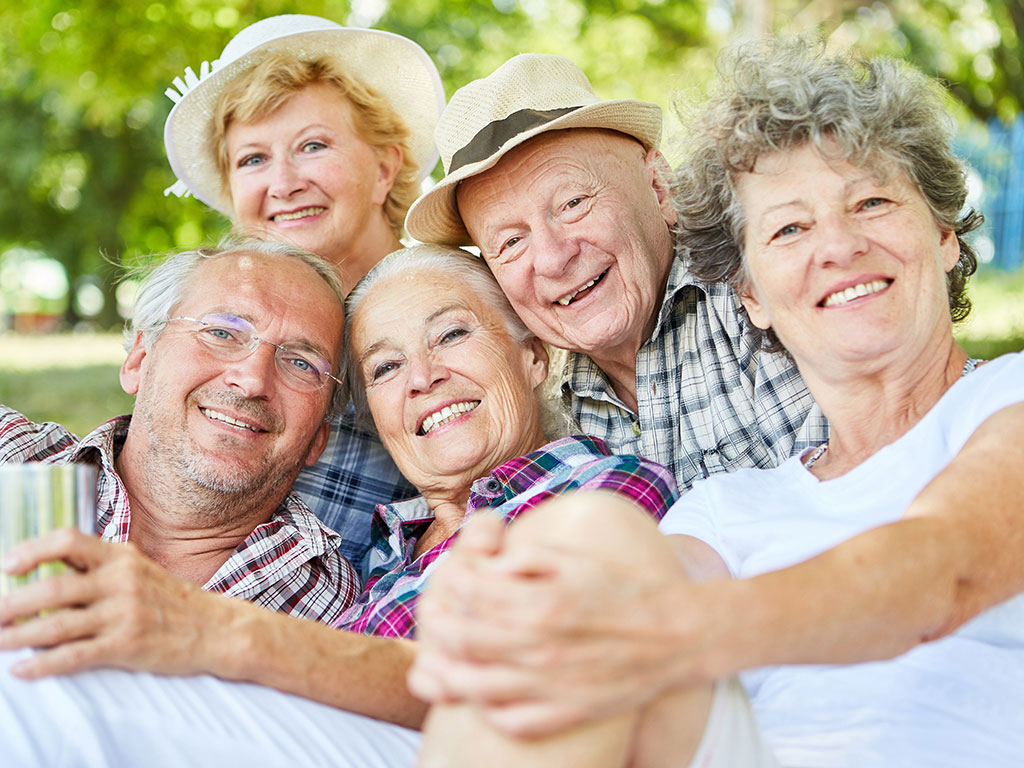
As we age, our physical health tends to take center stage, but there is another crucial aspect of healthy aging that often gets overlooked—our social connections and sense of community. Research consistently shows that staying socially engaged and maintaining meaningful relationships can have a profound impact on our mental, emotional, and even physical well-being. Here’s why fostering strong social ties and participating in community activities are vital components of healthy aging.
1. Improved Mental and Emotional Well-being
Social connections are key to maintaining good mental health as we age. Loneliness and social isolation have been linked to a higher risk of depression, anxiety, and even cognitive decline. Having regular interactions with friends, family, or community members provides emotional support and a sense of belonging, which can improve mood and self-esteem. Feeling connected helps combat feelings of loneliness, which can otherwise lead to a sense of hopelessness or isolation.
Studies have shown that seniors with strong social ties are less likely to experience depression and are better equipped to handle life’s challenges. Engaging in social activities, whether it’s having a regular coffee with a friend or participating in group events, helps keep your mind active and engaged.
2. Cognitive Health Benefits
Social engagement has a direct impact on cognitive health. Staying socially active stimulates the brain and encourages cognitive function. Regular conversations, problem-solving, and participating in group activities or games can help keep your mind sharp and reduce the risk of cognitive decline and dementia. Research suggests that seniors who have frequent social interactions are less likely to develop Alzheimer’s disease and other forms of dementia.
For instance, attending a community event or joining a book club can provide mental stimulation, while helping you stay engaged in conversations that challenge your memory and cognitive abilities.
3. Physical Health Benefits
Believe it or not, your social life can also play a role in your physical health. Social interactions have been shown to lower the risk of chronic conditions like heart disease, high blood pressure, and stroke. Being part of a community often means participating in physical activities, whether it’s walking with a friend, joining an exercise class, or taking part in group sports. Regular physical activity, especially when paired with social interaction, leads to better overall health and well-being.
Additionally, individuals with strong social support systems tend to recover more quickly from illnesses and injuries. The emotional and practical support they receive from their network encourages healthier behaviors, such as eating better, exercising, and keeping up with medical appointments.
4. Increased Longevity
One of the most compelling reasons to prioritize social connections as we age is that it can increase our lifespan. Studies have shown that individuals with robust social networks tend to live longer than those who are isolated. This is largely due to the positive impact of social interactions on stress reduction, mental health, and overall physical well-being. People with strong relationships also tend to adopt healthier lifestyles, which further contributes to a longer, healthier life.
Having people around you who care and who you can share experiences with creates a sense of purpose and fulfillment, which is crucial for aging well. The more positive relationships you nurture, the more enriched your life will be.
5. A Sense of Purpose and Fulfillment
Social connections provide a sense of purpose, which is incredibly important in later life. Engaging in meaningful activities, whether it’s volunteering, mentoring younger generations, or helping out a neighbor, gives you something to look forward to. Feeling needed and valued contributes to your overall happiness and well-being.
Community involvement not only enhances your social life but also provides opportunities to make a positive impact on the lives of others. Being an active part of your community helps reinforce the feeling of belonging and gives your life more meaning.
6. Reduced Risk of Dementia and Mental Decline
A growing body of research shows that social engagement plays a significant role in preventing or delaying the onset of dementia. Older adults who maintain strong social networks and engage in mentally stimulating social activities show slower rates of cognitive decline compared to those who are more socially isolated. Interaction with others challenges your memory, problem-solving skills, and cognitive functions, all of which help keep your brain active and engaged.
7. Stronger Support Systems
Having a network of friends, family, or community members offers a valuable support system as you age. Whether it’s help with daily tasks, emotional support during difficult times, or someone to share good news with, a solid support system can greatly enhance your quality of life. It’s comforting to know that there are people you can rely on when needed, and this reassurance significantly improves your mental and emotional well-being.
8. Combatting Loneliness and Isolation
Loneliness is a serious issue among seniors, and prolonged isolation can have serious consequences for both mental and physical health. Research has found that loneliness can increase the risk of mortality, heart disease, depression, and anxiety. By staying socially connected, whether through family gatherings, community activities, or volunteering, you can prevent the negative effects of loneliness.
Conclusion
Social connections and community engagement are key to healthy aging. They promote mental, emotional, and physical well-being and help increase longevity. Building and nurturing relationships, staying involved in community activities, and engaging in social interactions are essential habits to maintain throughout life. If you’re looking to enhance your quality of life as you age, prioritize staying connected to the people and communities that matter to you. The benefits—both now and in the future—are immeasurable.