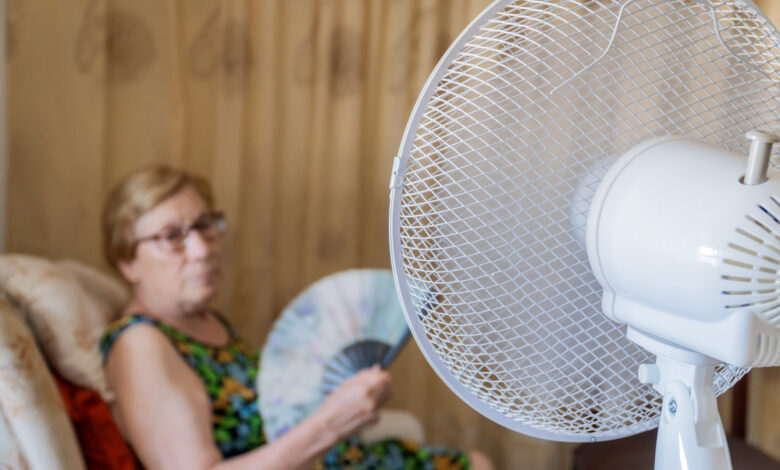
As the temperature rises during the summer months, staying cool and comfortable becomes essential, especially for older adults. With age, the body’s ability to regulate temperature diminishes, making seniors more vulnerable to heat-related illnesses like heat exhaustion or heatstroke. Ensuring that your home is a cool and safe environment can prevent these health risks and improve overall well-being. Here are some practical tips to help seniors stay cool at home during the hot summer months.
1. Use Air Conditioning or Fans Effectively
If you have air conditioning, make sure it’s working efficiently. Keep windows and blinds closed during the hottest part of the day to keep the cool air in and prevent the sun from heating the home. If you don’t have air conditioning, use fans to circulate air. Consider placing a bowl of ice or cold water in front of a fan for a cooling effect.
If neither option is available, spending time in public places with air conditioning—such as shopping malls, libraries, or community centers—can also provide relief from the heat.
2. Stay Hydrated
Staying hydrated is crucial in the summer, especially for seniors, as dehydration can lead to serious health problems. Encourage frequent water intake, even if you don’t feel thirsty. Avoid sugary drinks or excessive caffeine, as these can contribute to dehydration. Keep a water bottle nearby and make it part of your routine to take a sip throughout the day. Adding a slice of lemon or cucumber can make water more enticing.
3. Wear Loose, Light Clothing
The clothing you wear plays a big role in staying cool. Opt for lightweight, breathable fabrics like cotton or linen, which allow air to circulate and wick away moisture. Avoid dark colors, as they absorb heat, and choose light-colored clothes to reflect the sun’s rays. Loose-fitting clothing also promotes better airflow, keeping you cooler throughout the day.
4. Create a Cool Resting Spot
Designate a comfortable, cool area of the home where you can relax and spend time during the hottest parts of the day. This could be a room with a fan or air conditioning, or a space where the blinds or curtains are kept closed to block out the sun. If possible, keep this area near a cool source of water, like a bowl of ice or a cool damp towel, for additional relief.
5. Close Curtains or Blinds During the Day
Sunlight streaming through windows can increase the temperature inside your home, so it’s important to block it out. Use heavy curtains or blinds to keep rooms cooler. If possible, install reflective window films or use light-colored window coverings that deflect heat. This simple step can make a noticeable difference in the temperature of the room.
6. Take Cool Showers or Baths
Taking a cool shower or bath is an effective way to lower your body temperature. If a full shower isn’t possible, a sponge bath with cool water can also provide relief. Applying a cool, damp cloth to your neck, wrists, or forehead can help regulate body heat as well.
7. Limit Physical Activity During Peak Heat
Physical activity increases your body’s temperature, so it’s important to limit outdoor or strenuous activity, especially during the hottest part of the day (usually between 10 a.m. and 4 p.m.). If you need to go outside, try to do so early in the morning or later in the evening when temperatures are cooler. If you have errands or appointments, consider using public transportation or ride-sharing services to avoid being out in the heat for too long.
8. Keep Your Home Well-Ventilated
Good ventilation is key to keeping indoor temperatures comfortable. Open windows in the early morning or evening to let in cooler air, but be sure to close them once the day heats up. If possible, use cross-ventilation by opening windows on opposite sides of the room or house to allow airflow and circulate fresh air.
9. Use Cooling Products
There are various products designed to help keep you cool, such as cooling gel sheets, portable misting fans, and wearable cooling towels. These items can provide instant relief and are easy to use in different parts of the house. Some cooling pads or blankets can also be used while resting or sleeping to promote comfort during the night.
10. Be Mindful of Heat-Related Illnesses
Seniors are more susceptible to heat-related illnesses, such as heat exhaustion and heatstroke. Watch for signs of heat-related illness, such as dizziness, weakness, excessive sweating, nausea, or confusion. If you or a loved one experience any of these symptoms, move to a cooler area, hydrate, and seek medical attention if needed.
Conclusion
Keeping your home cool during the summer is essential for seniors’ health and well-being. By using air conditioning, staying hydrated, wearing appropriate clothing, and creating a comfortable environment, you can reduce the risks of heat-related health issues. With a little preparation, seniors can stay cool, comfortable, and safe throughout the hot summer months, ensuring a more enjoyable and healthy season.