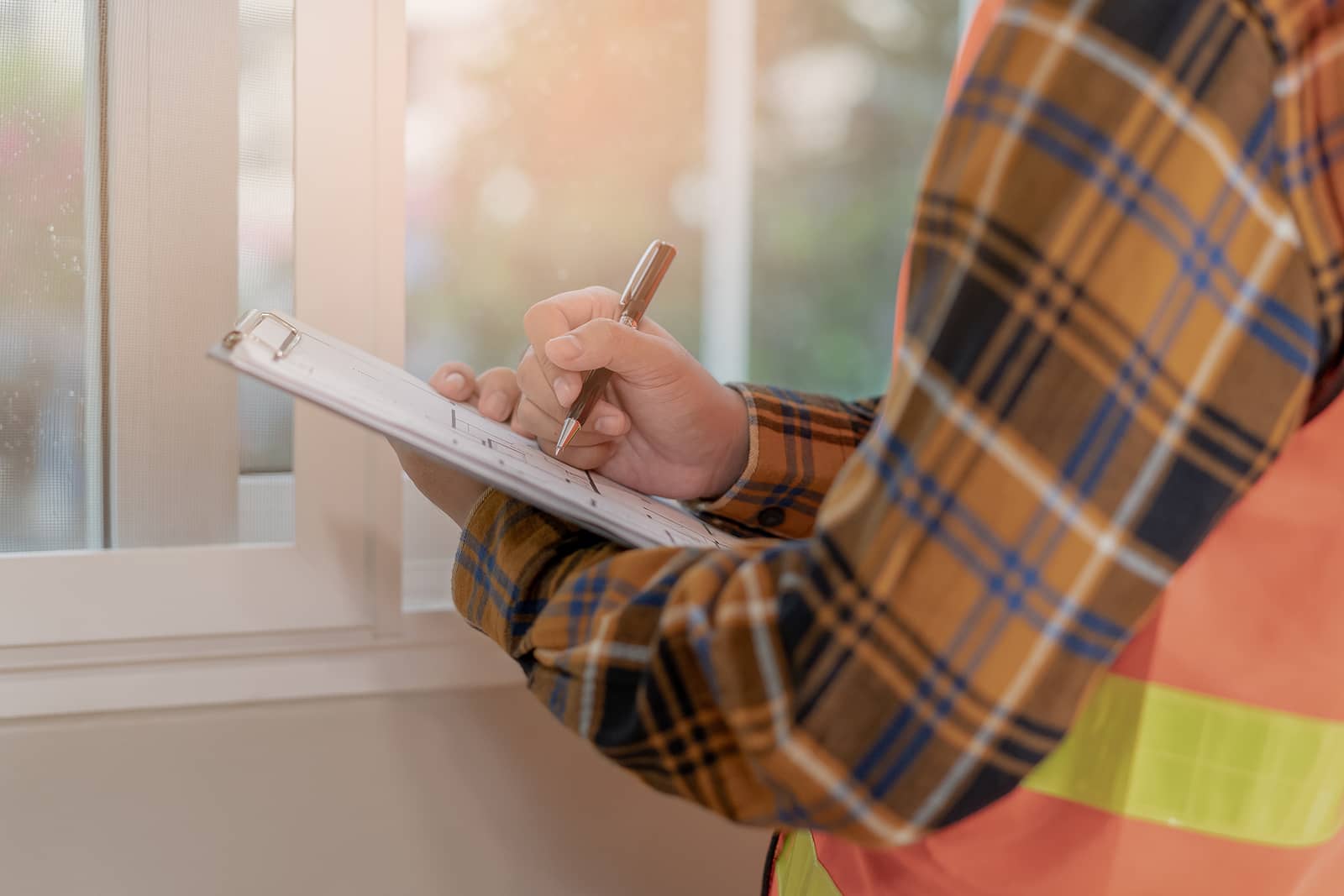
As we age, maintaining independence and safety in the home becomes a top priority. Occupational therapists (OTs) play a crucial role in helping individuals live safely at home by evaluating the environment and recommending adjustments that reduce fall risks and promote independence. Here are 10 key things that an OT will typically look for during a home assessment to ensure a safer, more functional living space.
- Clear Pathways and Clutter-Free Spaces
OTs will assess the home’s layout to ensure there are clear, unobstructed pathways. Clutter, such as rugs, furniture, or electrical cords, can be a tripping hazard, so minimizing obstacles is essential to reducing the risk of falls. - Adequate Lighting
Poor lighting can make it difficult to navigate, especially in the evening. OTs will check if all rooms, hallways, and stairways have enough light and recommend brighter bulbs or motion-sensor lights to improve visibility. - Non-Slip Flooring
Slippery floors, especially in bathrooms and kitchens, increase the chance of slipping. OTs look for non-slip rugs, mats, and flooring. If necessary, they’ll suggest non-slip adhesive strips or installing safer materials like rubber flooring. - Grab Bars and Handrails
OTs often recommend installing grab bars in bathrooms near toilets, showers, and bathtubs, as well as handrails on staircases to provide extra stability when standing or moving around. These can make a huge difference in preventing falls. - Accessible and Functional Furniture
OTs check if furniture is appropriately positioned and easy to use. For instance, chairs should be at the right height for easy sitting and standing. Furniture with arms, non-slip surfaces, and stable bases can offer better support. - Raised Toilet Seats and Shower Chairs
To make toileting and bathing safer, OTs may recommend raised toilet seats, shower chairs, or grab bars in the bathroom. These adaptations make it easier for seniors to maintain balance and prevent slips while using the bathroom. - Smart Technology for Safety
Incorporating smart home technology, like voice-activated lights or fall detection systems, can offer additional layers of safety. OTs often suggest these technologies for individuals who may have mobility or vision challenges. - Kitchen Setup and Reachability
OTs assess the layout of the kitchen to ensure items are within easy reach and the workspace is functional. This reduces the risk of bending, stretching, or using unstable stools to reach high shelves. Adjusting cabinet heights or adding pull-down racks can help. - Doorways and Thresholds
Narrow doorways or high thresholds between rooms can pose a tripping hazard. OTs will evaluate these areas and may suggest widening doorways or smoothing out transitions between rooms to make moving through the home easier and safer. - Emergency Response Plans
Finally, OTs will evaluate if there are clear, accessible plans in place for emergencies. This includes checking that emergency contact numbers are easy to reach, that exits are unobstructed, and that individuals know what to do if they fall or need help.
Conclusion
Making these small but impactful changes in the home can help seniors maintain their independence while preventing the risk of falls. By working with an occupational therapist, you can ensure your home is optimized for safety, comfort, and functionality.
If you or a loved one would like an OT assessment, reach out today to take the first step toward a safer living environment!