Strength Training for Older Adults
As we age, staying active becomes more important than ever and strength training is often
overlooked. Strength training is a vital component for maintaining mobility, preventing falls, and
enhancing overall quality of life. As we age, our muscle mass naturally declines. This loss of muscle
not only affects strength but also balance, posture, and mobility. For older adults, this decline in
muscle mass and strength can make everyday activities like getting out of a chair, carrying groceries,
or climbing stairs more difficult. Strength training can help combat this age-related muscle loss –
helping maintain muscle mass, improve balance, and increase functional independence. It can also
help reduce the risk of falls, one of the most common and serious concerns for seniors (Gillespie et
al., 2012).
Key Benefits of Strength Training for Older Adults
- Improved Muscle Mass and Strength
Strength training helps rebuild lost muscle, even in those over 80. This makes it easier to
perform daily tasks, such as lifting, bending, or walking, with greater ease (Breen & Phillips,
2013). - Reduced Risk of Falls
One of the leading causes of injury in older adults is falls. Studies have shown that
strengthening muscles, particularly in the legs and core, can improve balance and stability –
reducing the likelihood of falls. A study published in the Journal of Geriatric Physical
Therapy found that strength training reduced fall risk by improving lower body strength and
balance in older adults (Gillespie et al., 2012). - Enhanced Bone Health
Osteoporosis (weakening of bones) is another common concern with aging. Strength training
has been shown to increase bone density, helping prevent fractures. This is particularly
important for postmenopausal women and older men, who are at higher risk of bone loss
(Sayers et al., 2014). - Better Mental Health
Strength training also has a positive impact on mental well-being. It has been linked to
improved mood, reduced anxiety, and better cognitive function in older adults. Regular
exercise, including strength training, releases endorphins that help combat feelings of
depression and anxiety (American College of Sports Medicine [ACSM], 2019). - Improved Cardiovascular Health
While strength training is often associated with building muscle, it can also support heart
health. Studies have shown that strength training can lower blood pressure, improve
cholesterol levels, and reduce the risk of cardiovascular disease (Sayers et al., 2014).
The Science Behind Strength Training for Older Adults
Strength training works by stressing the muscles, which causes tiny tears in muscle fibres. When the
body repairs these fibres, they grow back stronger. In older adults, this process may take longer than it
does in younger individuals.
A meta-analysis published in the British Journal of Sports Medicine reviewed several studies on
strength training in older adults and concluded that even two days of resistance training per week can
yield significant health benefits, such as increased muscle strength, improved function, and enhanced
overall physical performance (Breen & Phillips, 2013).
How to Get Started
While strength training offers numerous benefits, it’s essential to approach it safely. Here are a few
tips for getting started:
- Consult a Healthcare Provider
Before beginning any exercise program, especially if you have chronic health conditions or
are new to exercise, consult with your healthcare provider to ensure it’s safe. - Start Slowly and Progress Gradually
If you’re new to strength training, start with bodyweight exercises or light weights (you can
also use cans/water bottles). Focus on correct technique before increasing weight. Gradually
increase the weight or intensity as your muscles adapt. - Focus on Major Muscle Groups
Aim to work all major muscle groups—legs, back, chest, arms, and core—at least twice a
week. The exercises should target muscle groups that support functional movements like
sitting, standing, walking and lifting. - Use Proper Form
Always prioritise proper technique over heavier weights. Improper form can increase the risk
of injury. If possible, work with a certified personal trainer or physiotherapist who has
experience working with older adults. - Combine with Cardiovascular Exercise
Strength training doesn’t have to be your only exercise. A combination of strength training
and aerobic activities like walking or swimming can provide a well-rounded fitness routine
(ACSM, 2019).
Example General Strength Training Exercises for Beginners (Please consult a physiotherapist or qualified professional for an individualised exercise program)
- Sit-to-Stand: Sit on a chair and stand up without using your hands (you can use your hands if
required). This exercise targets the thighs and hips. - Wall Push-ups: Stand at arm’s length from a wall and perform push-ups. The further away
from the wall – the more difficult the exercise. This works the arms, chest, and core. - Seated Leg Extensions: Sit on a chair and straighten one leg out in front at a time, holding
for a few seconds before lowering. Alternate legs. This strengthens the quadriceps (muscle at
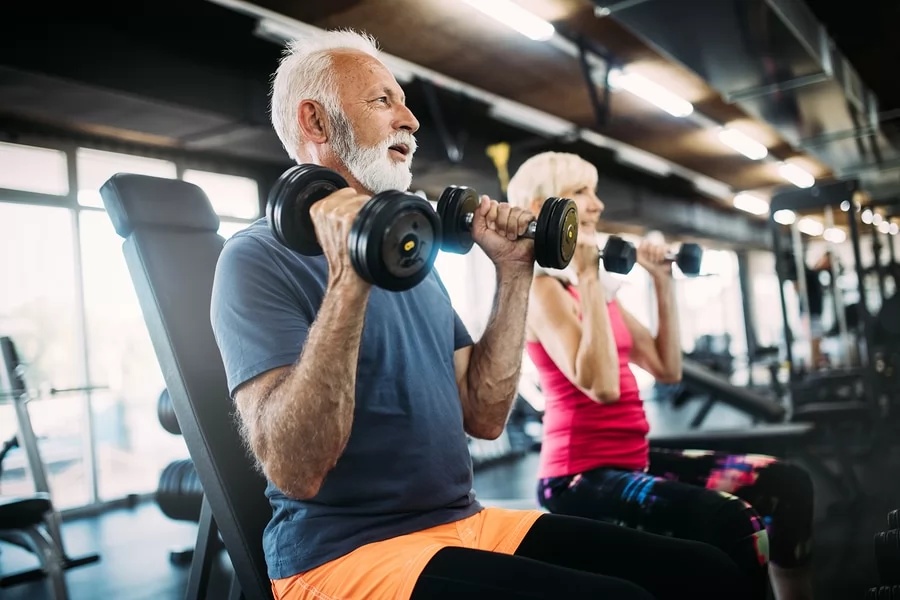
the front of your thigh). - Bicep Curls: Using light weights (or cans/water bottles) or resistance bands. Straighten your
elbows and then bend to touch your shoulders and slowly lower again. This will target the
upper arms. - Standing Calf Raises: Hold onto your kitchen counter for balance and raise your heels off
the ground to work the calves.
References:
- Gillespie, L. D., Robertson, M. C., Gillespie, W. J., et al. (2012). Interventions for preventing
falls in older people living in the community. Cochrane Database of Systematic Reviews. - Sayers, S. P., & Gibson, M. A. (2014). The effect of strength training on cardiovascular
health in older adults. European Journal of Preventive Cardiology, 21(6), 731-741. - Breen, L., & Phillips, S. M. (2013). Sarcopenia and its treatment: New insights. British
Journal of Sports Medicine, 47(15), 907-912. - American College of Sports Medicine (ACSM). (2019). Exercise and Physical Activity for
Older Adults. ACSM’s Guidelines for Exercise Testing and Prescription, 10th edition. - Journal of Geriatric Physical Therapy (2019). Effects of Strength Training on Older Adults:
A Review of Recent Studies.